Understanding Satellite Engineering Services in Modern Space Missions
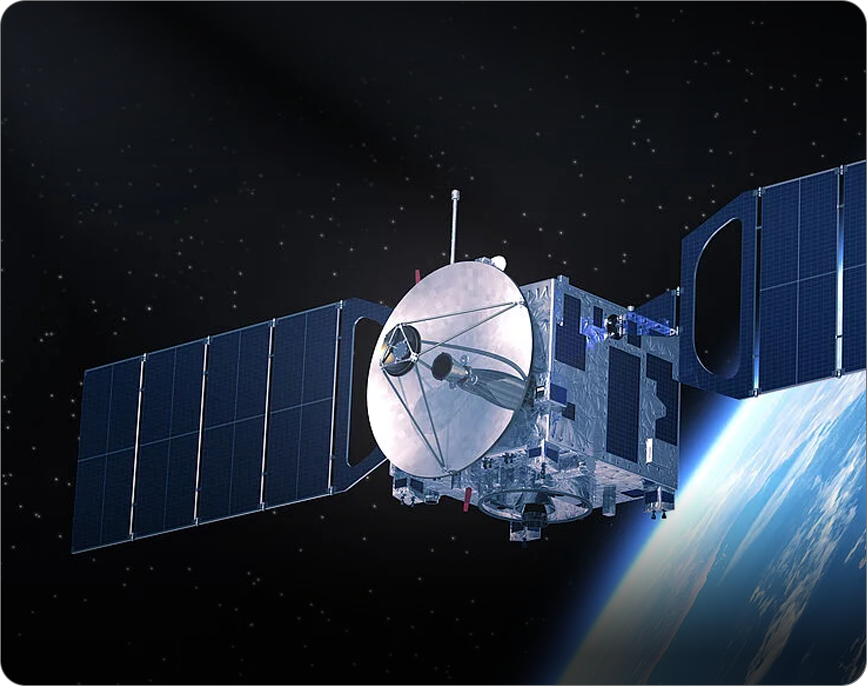
Satellite engineering services shape how modern missions succeed, and learning them helps space professionals think system-wide, manage complexity, and make better decisions in real mission environments.
Satellite engineering services don’t usually get talked about in everyday conversations. They live in technical rooms, long meetings, and design reviews that run over time. But they’re there in every modern space mission, quietly shaping how things actually work once a satellite leaves the ground.
From where we stand, as aspace services company, working closely with space professionals, this is often where people realize how much there is to learn beyond job titles and task lists.
It’s Never Just “Engineering”
Satellite work rarely fits into clean categories. One decision about structure affects thermal behavior. A power choice impacts communications. Something small on paper becomes very noticeable in orbit.
Satellite engineering services exist to manage that complexity. Not by simplifying it, but by understanding how everything connects. That’s a skill. And it takes time to build.
Modern Missions Don’t Leave Much Room
Today’s satellites are expected to do more, last longer, and operate in crowded environments. There’s pressure from timelines, budgets, and expectations that systems will just… work.
What often gets overlooked is how much judgment goes into those outcomes. Trade-offs. Risk calls. Knowing when something is “good enough” and when it isn’t. This is where structured learning becomes valuable, especially for professionals stepping into larger responsibilities.
Satellite engineering services cover the planning, integration, and evaluation of systems that allow a satellite to function reliably in orbit. This includes understanding how structures, power, communications, and thermal systems interact throughout a mission’s lifecycle.
Because satellite systems are tightly interconnected, professionals benefit from structured learning that builds system-level thinking. Training helps individuals understand real mission trade-offs, decision-making processes, and how engineering choices affect performance and reliability.
Modern missions demand faster decisions and higher reliability. Learning satellite engineering services prepares professionals to anticipate system interactions, manage complexity, and contribute more effectively to mission planning and execution.
How Learning Actually Sticks
Teaching satellite engineering services isn’t about dumping information. Most professionals already have plenty of that. What they need is context.
So learning tends to work best when it looks like:
- Walking through real mission decisions
- Unpacking why certain designs succeeded (or didn’t)
- Seeing how experienced teams think under pressure
- Connecting theory to consequences
That’s where understanding starts to feel real.
Practice Changes Perspective
There’s something different about working through a scenario versus reading about it. Simulations, case studies, guided exercises—these create space to make mistakes without real-world fallout.
Over time, that changes how professionals approach problems. They ask better questions. They see dependencies earlier. They communicate more clearly with other disciplines.
And that matters more than memorizing details.
Where It All Leads
Satellite engineering services aren’t flashy, but they’re foundational. Professionals who take the time to understand them deeply tend to move differently through projects. More aware. More prepared. Less surprised when things get complicated.
From our side, supporting that kind of growth is the point. Not just teaching systems, but helping people think their way through modern space missions with confidence and clarity.
Continue the Conversation
If this blog sparked a few thoughts, take some time to explore further, reflect on your experience, or reach out with questions about how deeper learning fits into your work.
Popular Posts
December 29, 2025
December 29, 2025
December 29, 2025